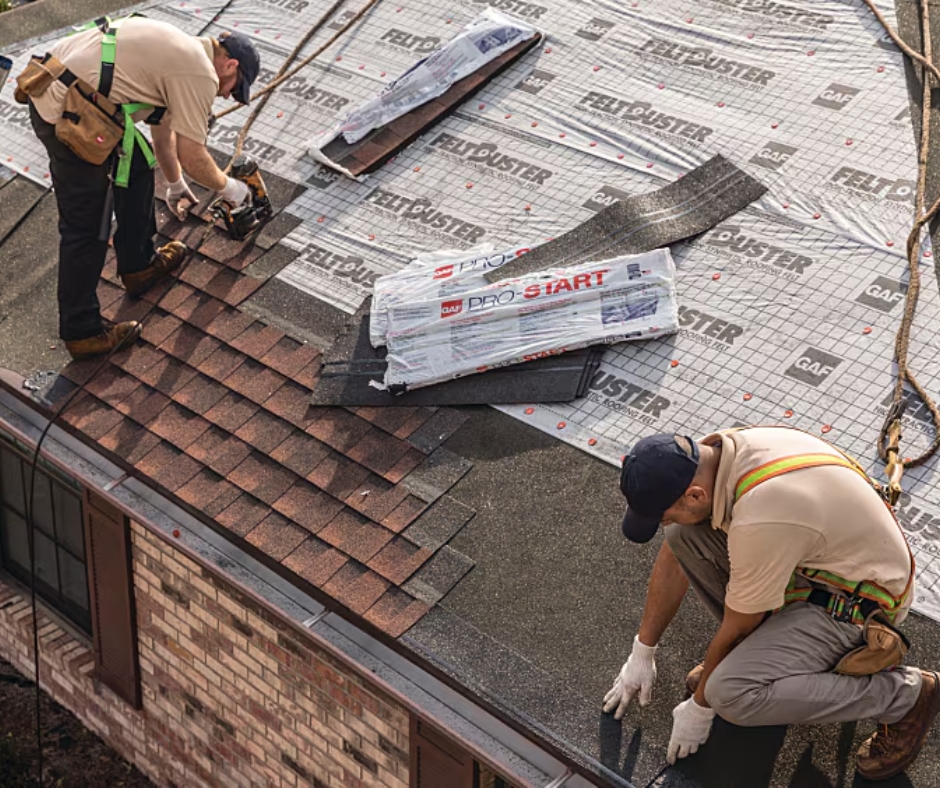
Is it worth replacing a roof before selling?
It depends on the roof's condition and your market. If the roof is failing, leaking, or visibly worn, replacing or addressing it usually helps, since a bad roof deters buyers, complicates the inspection, and invites lowball offers. If the roof is older but sound, a full replacement often does not return its cost, and a repair or credit may serve better. For a Cheswick Place homeowner, it is worth it when the roof is a genuine problem buyers will fixate on, and less so when it has life left. A professional assessment and a look at comparable homes guide the right call for your sale.
Does a new roof help sell a house faster?
It can, when the existing roof is a liability that would otherwise deter buyers or trigger inspection problems, since a sound or new roof removes a potential delay and reassures buyers. A problem roof, by contrast, can stall a sale through hesitant buyers and renegotiation. For a Cheswick Place homeowner who wants a quicker sale, addressing a roof that scares buyers or offering a clear credit can keep the deal moving. If the roof is already sound, though, a replacement is unlikely to speed things up meaningfully, so the benefit to speed depends on whether the roof was a genuine obstacle.
Do I have to disclose roof problems?
Generally yes, sellers are typically required to disclose known roof problems such as leaks or significant damage, and honesty here is both an obligation and the wiser path. The roof's condition will surface in the inspection regardless, so concealing a known issue risks legal trouble and a broken deal, while disclosing it builds trust. For a Cheswick Place homeowner, disclosure is the foundation of the sale, since a problem you disclosed is far less damaging than one a buyer discovers you hid. Whatever you decide about repairing or replacing, being truthful about the roof keeps the sale on solid, legally sound footing.
Will I get my money back on a new roof at sale?
Usually a meaningful portion, but typically not all of it, with the return higher when the roof was a genuine liability that would otherwise deter buyers. When replacing a failing roof, much of the value lies in enabling the sale and protecting your price, not just the dollar return. For a Cheswick Place homeowner, a roof rarely returns its full cost, so the decision is less about full recovery and more about whether the roof was a real obstacle. Replacing a failing roof is more likely to pay off, while replacing a sound one for resale alone often does not recover the expense.
Should I offer a roof credit instead?
A credit is often a smart middle path, especially when a full replacement would not return its cost. It acknowledges the roof's condition in the negotiation, lets the buyer choose their own roof and timing, and avoids the upfront expense and project management of replacing during a sale. For a Cheswick Place homeowner, a credit can be more efficient than a replacement, particularly when the roof is a known issue but you prefer not to invest first. Whether a credit or a replacement serves you better depends on your market and how much the roof is affecting buyer interest, so weigh both against your situation.
Does a new roof increase home value?
A new roof generally supports home value and appeal, especially when it replaces a worn or failing one, though it typically returns a portion rather than all of its cost. The value is partly in the dollar figure and partly in making the home more attractive and sellable. For a Cheswick Place homeowner, a new roof adds the most value when the old roof was a liability buyers would have held against you, and less when the roof was already sound. So it can increase value and appeal, but the gain is greatest where the roof was a genuine problem rather than a functional component.
How do buyers view an old roof?
Buyers often view an old or worn roof as a looming expense and a possible sign that other parts of the home need work. Even a functional roof, if it looks tired, can make buyers nervous, lower their offers, or push them toward newer listings. A roof near the end of its life raises the question of who pays for the inevitable replacement. For a Cheswick Place homeowner, understanding this perception matters, since it shapes offers and interest, and a roof that presents poorly can drag down a sale even when sound. How buyers read the roof is part of what the decision weighs.
Can I sell a house with an old roof?
Yes, homes with old roofs sell regularly, though usually at an adjusted price that reflects the roof's condition, and disclosed honestly. The tradeoff is often a lower price and a smaller pool of buyers, since some avoid homes needing a roof. For a Cheswick Place homeowner, selling with an old roof is entirely possible, and whether to do so as-is or to address the roof first depends on the roof's condition, your budget, and your market. Many buyers will still make an offer, simply factoring the roof into their price, so an old roof is a negotiating point rather than a barrier to selling.
Is a roof repair enough before selling?
Often, yes, when the roof is largely sound with isolated problems like a few damaged areas or a localized leak, a targeted repair can resolve the issue at far lower cost than a replacement. A repair makes sense when it will hold and removes the buyer objection or inspection flag. For a Cheswick Place homeowner, a repair is frequently enough to address a specific concern without the expense of a new roof, and it is the right choice when the roof's overall condition is good. A contractor's honest assessment of whether a repair will last, given the roof's age and state, determines if it suffices.
What if I can't afford to replace before selling?
You have practical alternatives, since a full replacement is not the only path. A targeted repair of specific problems costs far less, offering the buyer a credit toward a future roof avoids the upfront expense, and selling as-is at an adjusted price is legitimate. For a Cheswick Place homeowner, an inability to fund a replacement does not corner you, since a repair, a credit, or an as-is sale each address the roof without the full cost. The right alternative depends on the roof's condition and your market, but you can handle the roof in the sale without paying for a new one upfront.
How does the roof affect the home inspection?
The inspection is where the roof's condition becomes official, and a flagged roof can reprice or derail a sale. An inspector noting an aging roof, leaks, or damage gives the buyer documented grounds to renegotiate, request repairs, or withdraw, often costing more than addressing it would have. For a Cheswick Place homeowner, the inspection is a major reason the roof decision matters, since a known problem left unaddressed becomes the buyer's bargaining chip at a sensitive stage. Anticipating what the inspection will reveal, and deciding in advance whether to repair, replace, or price for it, keeps you from being caught off guard during the deal.
How do I decide whether to replace before selling?
Assess the roof's condition honestly, consider your local market, weigh replace versus repair versus credit, factor in the likely inspection outcome, and estimate the cost against the return. If the roof is a genuine liability, addressing it usually helps, while a sound roof often does not justify a full replacement. For a Cheswick Place homeowner, the decision rests on good information, so a professional assessment and a clear estimate are the key inputs. Cheswick Place Roofing provides Cheswick Place homeowners honest roof assessments and transparent estimates for all the options, so you can choose the path that serves your sale best. Call (765) 978-3528 to start.